The Role of Defibrillators in Sudden Cardiac Arrest
Sudden cardiac arrest does not come with a warning. One moment, a person is fine. The next, they collapse. Unlike a heart attack, sudden cardiac arrest happens when the heart suddenly stops beating due to an electrical malfunction.
When that happens, blood flow to the brain and other vital organs stops. If not treated within minutes, it often leads to death. This is not something rare. It occurs to hundreds of thousands of people worldwide every year. The danger lies not only in the event itself, but also in how quickly help arrives and what that help entails.
Why Sudden Cardiac Arrest Needs Urgent Attention
A person who suffers from sudden cardiac arrest may appear lifeless. They may not be Breathing. Their body may go limp. And unless someone steps in to help quickly, there is a strong chance that the person may not survive.
The truth is, what makes the most significant difference in that moment is not how fancy the hospital is or how expensive the ambulance ride is. It is the defibrillator. That small device that many people see in airports, gyms, malls, and workplaces. Yet many still don't understand how critical it is in saving lives.
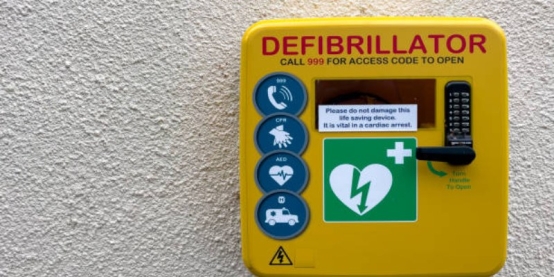
How Defibrillators Work to Restart the Heart
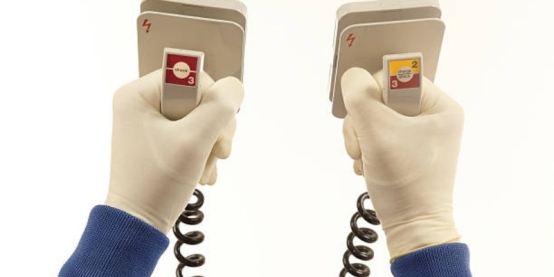
A defibrillator is a machine that sends an electric shock to the heart. When a heart stops due to sudden cardiac arrest, it usually goes into a rhythm called ventricular fibrillation. This occurs when the heart's electrical activity becomes so disorganised that it can no longer pump blood effectively. It is not enough to do chest compressions. While CPR can keep the blood flowing for a short time, it cannot fix the rhythm problem. Only a defibrillator can do that.
The shock given by the device resets the heart's rhythm. Think of it like rebooting a computer that has frozen. When the shock is effective, the heart starts beating again, and blood begins to flow. Every second counts. For every minute that passes without defibrillation, the chances of survival drop by 7 to 10 per cent. After 10 minutes with no shock, very few people survive. That is why having an automated external defibrillator (AED) nearby is not a luxury—it is a necessity.
Automated external defibrillators are designed for use by people without medical training. The device gives voice instructions. It tells the user when to press the shock button. Some devices even shock automatically once they detect the need. There is no guesswork involved. The goal is to make sure no one freezes in the moment and no life is lost because someone was afraid to act. According to the American Heart Association, when a bystander uses an AED, the chances of survival double or even triple.
Why Public Access Defibrillators Should Be Everywhere
Many deaths from cardiac arrest happen outside hospitals—in homes, schools, streets, and public places. This means that emergency response teams might not arrive in time. That's why public access defibrillators can't just be in hospitals. They must be in places where people gather, because anyone can be affected. It does not matter if the person is young or old, fit or unfit, rich or poor. Cardiac arrest can strike without notice.
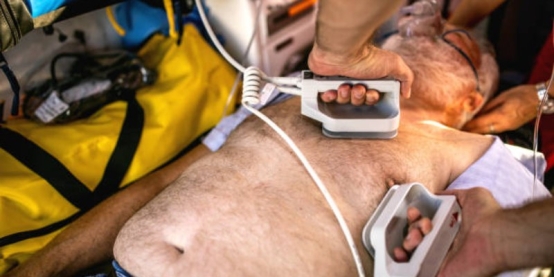
When defibrillators are placed in public spaces, they become part of the chain of survival. Just like fire extinguishers, they are not meant to sit in a locked room waiting for a disaster. They should be easily accessible, clearly marked, and always in working condition. Some countries and cities have enacted laws to make defibrillators mandatory in schools, fitness centres, airports, and other high-traffic areas. However, many still lack sufficient resources.
Imagine someone collapsing in a shopping mall and a defibrillator being 10 buildings away. That delay can cost a life. That is why experts recommend placing AEDs in high-traffic areas, with trained staff nearby. Maintenance is also key. A dead battery or expired pads can make a working AED useless. Routine checks are necessary.
The Cost of Ignoring Preventable Deaths
People often ask, How much does a defibrillator cost? But the better question is, how much does a life cost? The upfront cost of an AED may seem high to some. But when measured against the value of a human life, it is nothing. Think about families left behind—loved ones who now carry pain, guilt, and regret because help arrived too late. Consider businesses or schools that could have saved someone but didn't, because they claimed the device was too expensive.
It is more costly to deal with the loss of a life than it is to buy a defibrillator. Insurance claims, lawsuits, emotional trauma—all of that could be avoided if people acted wisely. Even beyond money, the emotional impact of losing someone to cardiac arrest is heavy. Friends and family often struggle to cope with the recovery process. But knowing that everything was done right can bring peace. And that includes learning that a defibrillator was nearby and used correctly.
More people need to understand that sudden cardiac arrest is not a rare condition. It is one of the leading causes of death worldwide. The WHO notes that cardiovascular diseases are responsible for an estimated 17.9 million deaths each year. That includes many sudden cases that could have been reversed with immediate use of a defibrillator. The math is simple—having more defibrillators in the right places means saving more lives.
Training, Awareness, and Breaking the Fear
One big reason people do not use defibrillators is fear. Fear of doing it wrong. Fear of hurting someone. Fear of getting blamed. However, the truth is that AEDs are designed to prevent harm. They only shock when needed. They do not deliver a shock if the heart does not require one. The device itself makes the decision, not the user. All that is needed is courage to act.
This is where awareness campaigns and training programs play a crucial role. Communities need to make it normal to learn CPR and AED use. Schools can teach it. Workplaces can offer yearly training. The more people know, the more lives can be saved. Training takes just a few hours. And those few hours can mean a lifetime for someone else.
One mistake society makes is waiting until someone dies before action is taken. That’s when people start raising money to buy defibrillators. That’s when policies are discussed. But why wait until loss happens? Why not act now? It is not only about prevention, it is about preparation. Because no one knows who the next victim might be. It could be a friend. A parent. A stranger. Or even the person reading this right now.
When the Heart Stops, Seconds Matter Most
Every second matters when it comes to sudden cardiac arrest. The brain begins to die within minutes. CPR helps, but it is not enough on its own. The electric shock from a defibrillator is the most crucial action that can change the outcome. Many people survive today not because of a doctor or hospital, but because someone nearby used an AED in time.
These machines are not magic. But they give hope. They give life a fighting chance. And they give people one more moment to say, "I'm glad I was here to help." That is what makes the defibrillator more than just a box on the wall. It is a silent lifesaver, waiting to make a difference.